
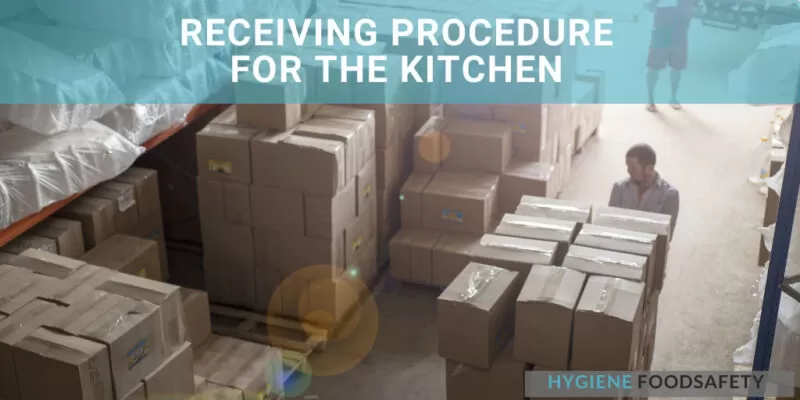
The Receiving Procedure for the Kitchen: Securing the Food Production Chain
The receiving procedure for the kitchen is one of the most fundamental steps in a robust food safety system. This procedure is meticulously designed to ensure that all goods entering the kitchen are of the highest quality possible and entirely safe for consumption. Furthermore, it ensures that products are received in a manner that proactively prevents cross-contamination.
Maintaining the cold chain is an essential aspect of modern food safety management. The receiving bay is the primary principle in ensuring the cold chain is kept. If a product arrives at the wrong temperature, its safety has already been compromised before it even touches a prep surface.
2.0 The Three Pillars of the Receiving Process
A professional receiving procedure is broken down into three distinct, sequential steps:
- Receiving: This is the physical action of taking possession of delivered foods. It marks the moment the kitchen staff begins the inspection according to specific requirements.
- Inspection: This process determines the suitability of the delivered goods. It involves a technical check of temperatures, packaging integrity, and expiry dates.
- Acceptance: This is the formal confirmation that the products meet all food safety requirements. This stage also covers the immediate and correct storage of the products.
3.0 Vehicle and Delivery Requirements
The first step in the receiving procedure is to ensure that the delivery vehicle is clean and well-maintained. This minimises the risk of environmental cross-contamination. Staff must check the internal temperature of the vehicle’s cargo hold to verify that the cold chain was maintained throughout transit.
Next, the invoice must be compared against the original order sheet to ensure that the correct products were delivered in the correct quantities. Only once these administrative and environmental checks are complete can the physical inspection begin.
4.0 Detailed Inspection Protocols
The condition and cleanliness of the packaging are paramount. No damaged or soiled packages should be accepted into the kitchen. Once damaged items are separated for return, the expiry dates of every product must be checked and recorded.
Expiry requirements are determined by the product type:
- Perishables: For items like milk or cream, which the kitchen may use within 72 hours, an expiry date of at least 5 to 7 days into the future is the standard expectation.
- Dry Goods: Canned goods or dried grains may have a shelf life of six months or more. Generally, a three-month buffer before expiry is acceptable for bulk dry storage.
Expired foods are not only a significant food safety risk but also an unnecessary cost. Training receiving staff to spot these issues at the door is a vital part of the kitchen’s financial and hygienic health.
Any foods recording temperatures above these requirements must be rejected. The kitchen assumes the risk of its suppliers the moment an invoice is signed.
- Chilled Goods: 1°C to 5°C
- Frozen Goods: -18°C or below
- Fresh Poultry: 4°C or below
5.0 Managing Dry Goods and Canned Risks
It is a common misconception that dry goods do not need rigorous checking. However, dry foods can harbour pests, and damaged packaging carries the severe risk of causing botulism, linked to Clostridium botulinum.
When inspecting cartons or cases, pay close attention to signs of leakage in glass jars or bottles. For canned products, two types of damage are critical: swelling (bulging) and large dents. A swollen can indicates that the food has spoiled and may contain lethal toxins. Large dents, particularly on seams, can cause microscopic splits that allow bacteria to contaminate the food. Damaged cans are fundamentally unsafe to use and must be rejected.
6.0 Produce Validation and Traceability
Fresh produce can be more difficult to inspect as it rarely carries explicit expiry dates. These foods must be evaluated for ripeness, freshness, and signs of decay. In 2026, it is standard practice to wash and sanitise fruits and vegetables before they enter the main storage areas to eliminate soil-borne pathogens.
Every product received must be recorded on a receiving checklist to ensure full traceability. You can find these essential resources here: Food Receiving Checklist Template.
7.0 Final Acceptance and The 30-Minute Rule
The final step in the receiving procedure is acceptance. To maintain the cold chain, the entire process from the vehicle’s arrival to the food being placed in the fridge must occur within 30 minutes.
Once products meet all criteria, all external cardboard packaging should be removed before they enter the kitchen’s cold storage. Cardboard is a major vector for pests and environmental bacteria. Items should be transferred into plastic or stainless steel sealable containers. This final step completes the safe transition from the supplier’s chain into the kitchen’s internal safety system.
For more on maintaining these standards, read our guide on handling foods safely or explore the sanitising procedures for fresh produce.